How Augmented Reality is Revolutionizing Ecommerce
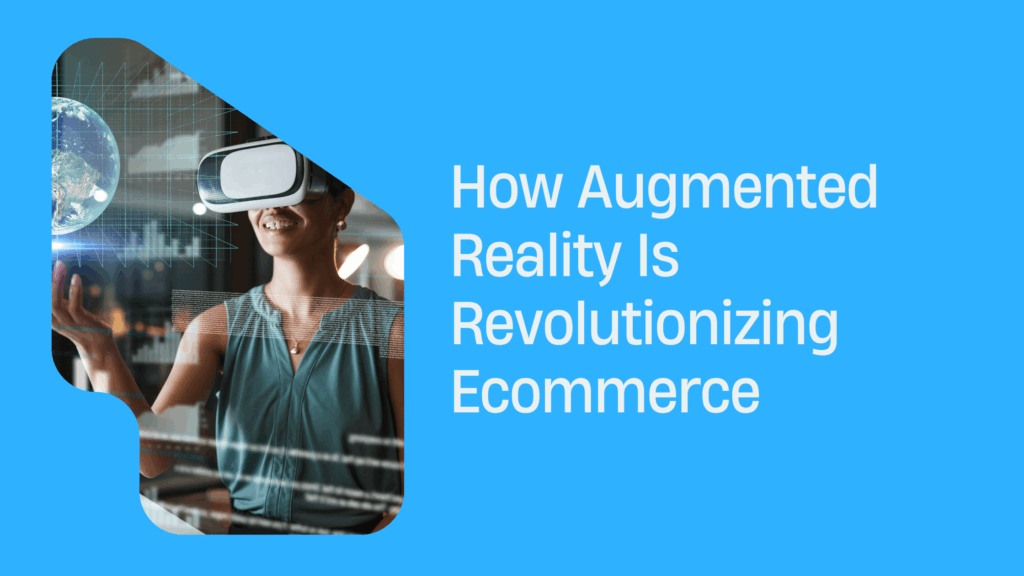
In 2025, the ecommerce landscape is undergoing a seismic transformation, largely driven by the adoption of augmented reality (AR). As technology advances and consumer expectations evolve, augmented reality ecommerce has emerged as one of the most powerful tools reshaping how people browse, evaluate, and purchase products online.
By blending digital elements with the real world, AR creates immersive, interactive shopping experiences that offer far more than static images or traditional video demonstrations. This dynamic shift is helping consumers make more informed choices while empowering businesses to deliver higher levels of engagement, personalization, and satisfaction.
The Evolution of the Online Shopping Experience
Historically, online shopping has struggled with one key limitation: the inability for customers to physically interact with products. Without the ability to touch, try, or see items in context, many buyers have had to rely on guesswork—often leading to dissatisfaction, returns, and abandoned carts.
Augmented reality ecommerce addresses these challenges head-on. By allowing shoppers to project life-sized 3D models of products into their environment, try on items virtually, or explore goods from every angle, AR bridges the gap between the physical and digital retail worlds.
In 2025, this is no longer a futuristic concept—it’s a mainstream feature expected by tech-savvy consumers across multiple industries, from apparel and cosmetics to furniture and electronics.
Immersive Features Redefining Ecommerce
The integration of AR into ecommerce platforms has introduced a range of advanced capabilities that enhance the buyer’s journey at every step:
- Virtual Try-Ons: Customers can see how clothing, shoes, or accessories look on their body using live AR overlays, helping them evaluate fit, color, and style in real time.
- Spatial Visualization: Home goods, appliances, and even vehicles can now be viewed in the buyer’s own environment. Shoppers can place digital models into their space using a mobile device to assess dimensions, aesthetics, and compatibility.
- Product Customization: AR enables dynamic customization, where shoppers can change colors, materials, or configurations and see instant previews of the final product.
- Interactive Tutorials: Complex products can now include step-by-step, AR-based user guides or assembly instructions, improving usability and reducing post-purchase frustration.
These features make the experience more tactile and intuitive, resulting in greater confidence and emotional connection with the product before making a purchase.
Impact on Consumer Behavior and Expectations
Consumers in 2025 have grown accustomed to seamless, interactive digital experiences. They expect to be empowered, not just informed. AR has become a natural extension of that expectation.
The psychological impact of being able to “see it before you buy it” leads to deeper trust in the product and the seller. It reduces the ambiguity that often plagues online shopping, particularly for high-value or personal items. Shoppers are more likely to complete purchases when they feel sure about what they’re getting—and AR provides that assurance.
Moreover, the novelty and engagement factor of AR can increase the time users spend on ecommerce platforms, boost their likelihood of exploring additional products, and enhance brand loyalty over time—even in the absence of physical storefronts.
Business Advantages of Augmented Reality Ecommerce
For ecommerce businesses, the adoption of AR isn’t just a way to enhance user experience—it’s a competitive advantage. By implementing augmented reality ecommerce solutions, companies benefit in several key areas:
- Higher Conversion Rates: AR tools help customers overcome hesitation, often leading to faster decisions and increased sales.
- Reduced Return Rates: Accurate product visualization ensures buyers know what they’re getting, decreasing costly returns and exchanges.
- Enhanced Data Insights: AR interactions offer valuable behavioral data, showing which products customers view, try, or customize the most.
- Stronger Customer Retention: Interactive and immersive shopping journeys leave a lasting impression, encouraging repeat business.
Looking Ahead: The Future of AR in Ecommerce
As we move further into the decade, the scope and sophistication of augmented reality ecommerce are only set to grow. Future developments will likely include:
- Wearable AR Devices: As AR glasses become more affordable and widespread, shoppers may navigate ecommerce platforms entirely through gesture or voice, with products appearing in their physical space in real time.
- Real-Time Social Integration: Shoppers will be able to share AR previews with friends or family instantly, turning individual shopping into a collaborative, social experience.
- AI-Enhanced Personalization: Augmented reality will work in tandem with artificial intelligence to tailor product suggestions based on visual preferences, shopping behavior, and environment context.
- Fully Virtual Stores: Beyond single-product visualization, entire store experiences will be recreated virtually, allowing customers to browse aisles, explore categories, and interact with displays as if they were physically present.
Conclusion
In 2025, augmented reality ecommerce is no longer a fringe innovation—it is central to how businesses connect with digital consumers. By transforming how products are presented, evaluated, and purchased, AR is removing friction from the buying process and bringing a sense of realism and engagement that traditional ecommerce has long lacked.
As technology continues to evolve, one thing is clear: those who embrace augmented reality in ecommerce are not just keeping up—they’re leading the way in a retail revolution that is here to stay.
Discover the Power of Inventory Source: An Introduction Video
Recent Articles

Dropshipping Automation Software – What It Does and What It Doesn’t
Learn what dropshipping automation software actually does, from product data and inventory sync to order routing and tracking, and what it cannot do, so you set realistic expectations before you buy.

Automated Supplier Failover – How Backup Vendor Routing Works
Learn how supplier failover automation reroutes orders to an approved backup vendor when the primary supplier runs out or fails, using checks on product match, stock, cost, and delivery before switching.
How to Normalize Shipping Methods Across Multiple Supplier
Learn how shipping method mapping normalizes supplier shipping codes, carriers, and delivery levels into one standard structure, so automated order routing selects the right service and keeps delivery estimates accurate across multiple suppliers.